Bodily Fluid Cleanup
Bodily fluid cleanup removes fluids and disinfects affected areas in businesses, homes and care settings.
See bodily fluid cleanupGet blood, bodily fluids, human waste, sharps and contaminated materials removed from a jail, holding cell, booking room or detention area in Beechwood Trails after authorized staff release the space.
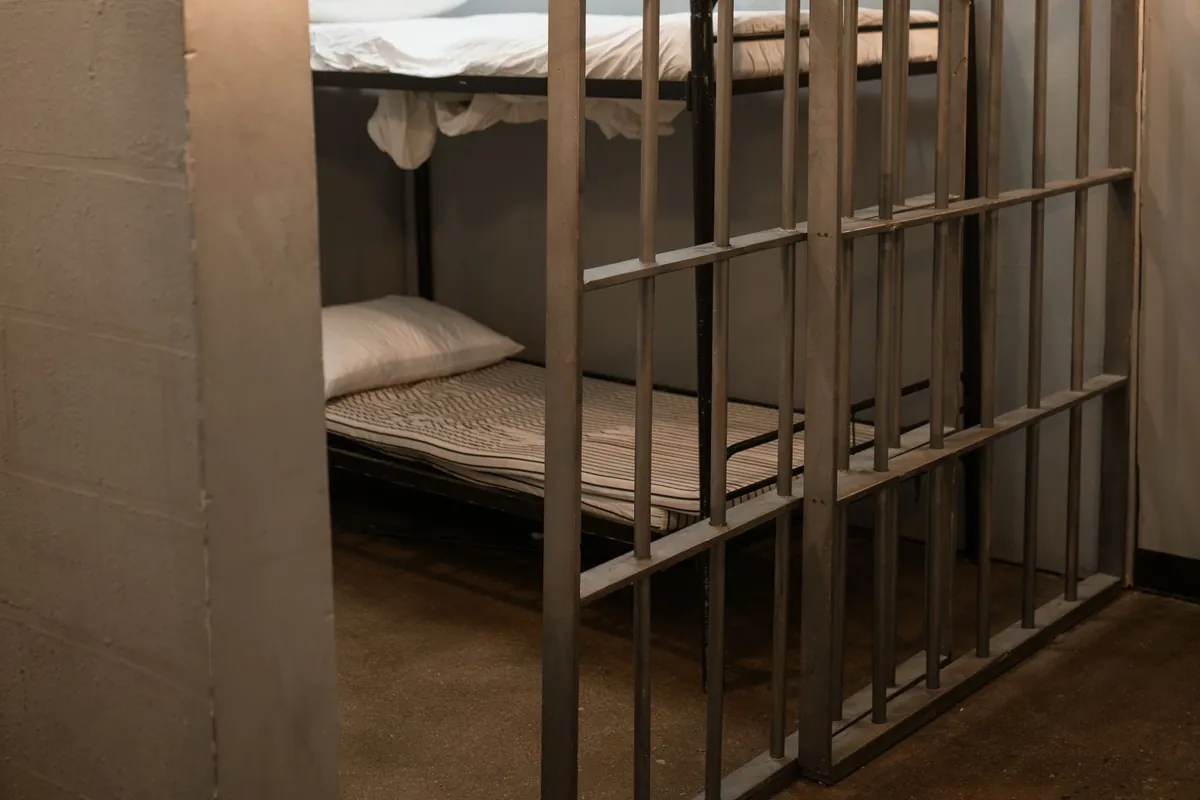
Cleaning a jail or holding cell is a controlled process that clears bodily fluids, blood, sharps, human waste and other contaminated items from booking areas, cells, related secure rooms and interview spaces before the area is cleaned, disinfected and treated for odor.
The facility must first confirm that no active investigation still includes the area. Correctional staff remain responsible for keys, access and the movement of occupants. Technicians clean the affected space as well as surrounding spots where equipment, shoes or fluid could have spread contamination.
The remediation process is different from routine janitorial cleaning. Cleanup technicians use protective equipment, separate clean and contaminated zones, remove materials that cannot be disinfected and apply an EPA-registered disinfectant for the full contact time on its label. Hazardous waste and sharps are packaged for the correct waste stream under applicable rules.
Your authorized contact must give instructions before anyone moves an item on evidence hold or kept as personal property.
Your clear scope names the cleaning services included, such as disinfection, removal, waste disposal and odor work, before reopening the affected area.
Property owners, facility records and insurance companies may be supported by scope documentation, available waste paperwork and allowed photos.
Every situation may involve its own entry points, staff escort rules, limited hours and controls on movement. With those requirements documented, your facility can build security needs into the work plan.
When contamination reaches absorbent materials or exceeds a normal custodial spill, professional cleanup is needed. Examples include:
When feces affects solid surfaces or penetrates bedding and other absorbent items, controlled removal comes first, followed by cleaning, disinfection and odor removal.
Urine, vomit and other bodily fluids can spread across floors, benches, drains and high-touch surfaces in a confined room.
A phased cleaning process may be necessary if a broader incident affects several cells, common space, corridors or transport routes.
Never use your hands to pick up loose needles, contaminated fragments or makeshift sharps, and do not discard them in standard trash.
Before cleanup technicians come into the area, these initial steps help preserve evidence, protect staff and prevent contamination from spreading:
Call (888) 440-9227Jail-specific cleanup pricing is not available in credible published guides. General biohazard cleanup comparisons put the residential average between $1,800 and $4,500 for residences. They show $3,000 to $5,000 as a typical national range. The guidance places most residential projects within the $2,500 to $8,000 range and shows a full span from $1,500 to $25,000 overall. These amounts do not set a jail cell price. Facility pricing follows an assessment of the scope.
These national ranges are taken from published cost guides, rather than a property visit. After an on-site assessment, the price for your property is determined and shared with you before cleanup begins.
Ask about cost: (888) 440-9227Usually, the responsible public or private operating entity or the facility arranges payment. The precise route varies according to the property and incident, along with the relevant insurance and contract terms.
The administrator or purchasing contact can identify the approved work order, purchase order or emergency procurement path for the location.
Responsibilities may differ among a building owner, private operator, municipality and county. Who can approve payment is set by facility policy and the controlling contract.
Retain the approved scope, incident number, permitted completion photographs and waste documentation. When seeking insurance assistance, confirm which documents can be given to the insurance company while keeping restricted information protected.
If the incident could involve insurance, report it, record the claim number and find out what waste paperwork, photos and scope documentation must be submitted.
The cleanup process is planned around facility security and the type of contamination. Every step should keep clean areas separate from the affected area and leave a clear record of work completed.
The released area is assessed with the facility contact so technicians can note visible contamination and potential transfer paths while leaving possible evidence undisturbed.
Inside the controlled area, the cleanup perimeter is clearly marked. Technicians wear protective equipment appropriate for the present fluids, surface types and sharp objects.
Approved puncture-resistant containers receive needles and all other sharp items immediately. Contaminated loose waste is gathered without using hands to press down the bags.
Bedding, unfinished wood, damaged wall material and other porous items are removed when contamination has soaked in and full disinfection is not possible. Any necessary restoration services or repairs receive a separate scope once biohazard cleaning is complete.
Cleaning begins by taking soil off non-porous surfaces. After cleaning, apply an EPA-registered disinfectant and maintain wetness for all of the label's stated contact time.
Once the source has been removed, an assessment may support using air treatment equipment such as hydroxyl generators or HEPA air scrubbers.
Waste containers are closed, labeled and moved through the required disposal process. Any records that are available can be added to the facility's incident documentation.
All affected areas are checked for soil, missed surfaces and cleaning residue left behind. A designated facility contact verifies the finished scope before allowing the room back into use.
Phone any hour. Your jail and holding cell cleanup specialist answers the phone, describes what happens next and works with you on a start time.
Serious health risks can come from bodily fluids, concealed sharps, human waste and blood, affecting correctional staff, people held in the facility and anyone who cleans the area.
Needles, blades and sharp fragments can puncture a bag or injure a person. Safe removal requires a puncture-resistant container for sharps and the proper waste disposal route. Leave any other unknown hazardous materials where they are until the facility determines the appropriate safety steps.
Fluid can run into floor joints, under fixed bunks and behind fixtures. Footwear, restraints or carts can also carry it into surrounding areas that look clean.
Strong odors may linger in a confined secure space, particularly if waste enters drains, flooring joints, grout or bedding. Source removal must happen before the air is treated.
Can you clean it yourself? Facility procedure determines who may clean a small spill. Minimum safety needs are suitable protective gear, enough wet contact time, and an EPA-registered disinfectant. Call for professional cleanup when contamination is widespread, hidden, mixed with sharps or absorbed into porous material.
Hard surfaces without pores may often remain after they are cleaned and disinfected. Materials with pores must be removed if absorbed fluid lies beyond the reach of cleaning.
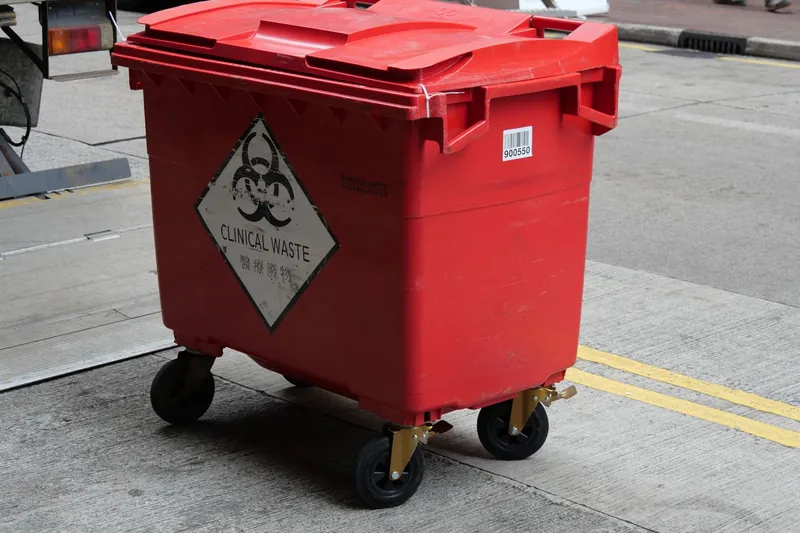
How long the work takes depends on security access, waste volume, affected materials, the number of spaces and whether odor treatment is necessary. A work window can be set by the cleanup team after assessing the area that was released.
| Scene | Typical time on site |
|---|---|
| One cell with hard-surface contamination | Work window set after assessment |
| A single cell requiring removal of porous materials | Longer than hard-surface cleaning |
| Several cells, corridors or common areas | Often planned in secure phases |
First, the source of an odor must be found and removed. Deodorizing equipment comes later, after affected bedding, bodily fluids, human waste and residue in drains or flooring joints have been addressed. Contamination remains if it is only covered by fragrance.
A second room inspection follows disinfection and cleaning. HEPA air scrubbers may collect particles suspended in the air, and hydroxyl equipment can help reduce residual odor if the space is suitable. Inspectors also examine vent covers and adjacent surfaces to prevent remaining residue from continuing to affect the air quality.
The full jail and holding cell cleanup guide covers what is cleaned or removed, odor and air quality work, and the rules that apply in Ohio.
Read the full jail and holding cell cleanup guideLocal population patterns, housing and site access may affect how containment and cleanup are planned.
Because renter occupancy is 1.7%, cleanup discussions often can focus on the household without a separate property manager involved.
The local median home dates to 1990, and modern ventilation can carry odor beyond the room where an incident occurred.
The local senior population includes 109 people living alone, and any cleanup in a home like theirs calls for discreet, respectful planning.
The 100.0% single-family share means odor may move through connected rooms and ventilation even without shared walls between households.
You can ask about cleanup in nearby communities and ZIP codes during the call.
Bodily fluid cleanup removes fluids and disinfects affected areas in businesses, homes and care settings.
See bodily fluid cleanup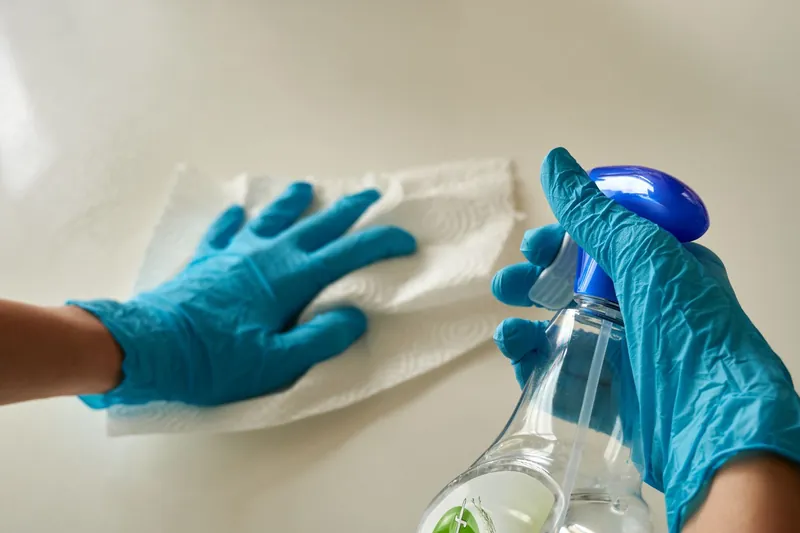
Walls, carpets, furnishings and hard floors receive blood cleanup, with safe disposal afterward.
See blood cleanup
Human feces cleanup includes disinfection in homes, public restrooms and rental properties.
See human feces cleanup
Floors, underlying subfloors and furniture receive urine cleanup with odor removal.
See urine cleanup
Vomit cleanup and disinfection to stop norovirus and other germs from spreading.
See vomit cleanup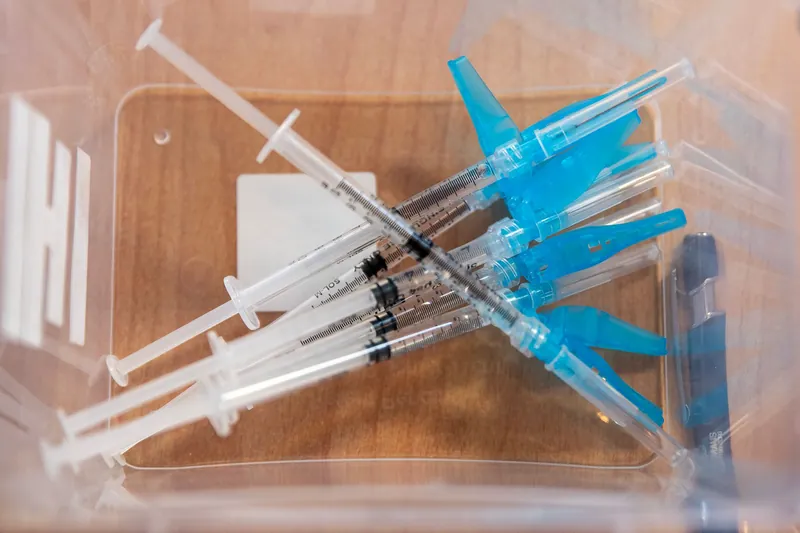
Needle and sharps cleanup for yards, rentals, parks and encampments.
See needle and sharps cleanup
Pickup and disposal of biohazard waste use containers that are sealed and labeled.
See biohazard waste disposal
Commercial and industrial biohazard cleanup planned around site access and operating needs.
See commercial and industrial biohazard cleanupYes, once visible residue and contaminated materials are gone, the scope may include treatment for remaining odor. The odor source can remain in drains, bedding, joints or damaged surface finishes. After source removal, technicians may clean nearby surfaces and use suitable air treatment equipment. The contamination responsible for the odor remains if only fragrance is used.
Sharps are located carefully and placed directly into an approved puncture-resistant sharps container. Never bend them, touch them with bare hands or discard them with regular garbage. Separating other waste during waste disposal helps keep a concealed needle from piercing a bag or exposing staff.
Timing is set after the released area is assessed. One hard-surface area is different from several cells with contaminated bedding, wall material, sharps or odor. Staff escorts, controlled access and routes for moving waste can influence when work occurs. Phased work can allow other areas to remain operational during a larger project.
Cleaning may proceed when law enforcement or authorized facility staff verify that evidence work is finished and clear the affected area, such as the booking room or cell. Before release, follow facility procedure to preserve the scene, prevent unnecessary entry and leave items where they are. Inform the cleaning team about all known routes of transfer.
When contamination remains on its sealed exterior, a non-porous mattress cover without damage may be cleaned. Removal may be necessary if liquid penetrated a torn mattress or any absorbent material. The decision depends on the material, its condition and whether every contaminated surface can be reached, cleaned and disinfected.
Coverage depends on the policy terms, the property and the incident. Usually, the facility or its operating entity, whether public or private, coordinates payment. Your administrator, risk representative or purchasing contact can identify who approves the scope and what incident documentation is needed.
You can request respectful, discreet jail and holding cell cleanup 24 hours a day, and crews use unmarked vehicles.